


What is optronics? : An in-depth definition
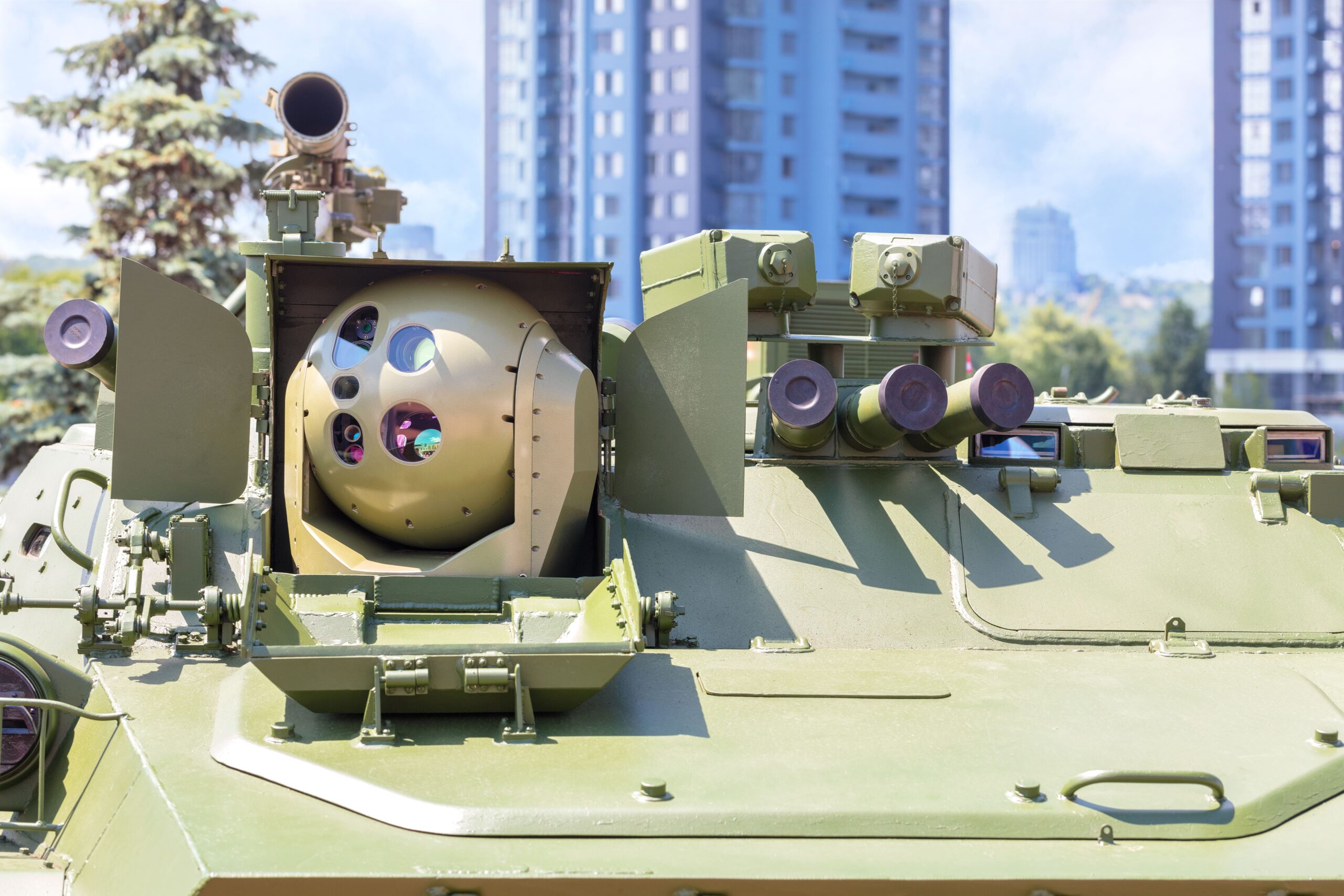
Optronics is the technology of electronic devices that interact with light across the visible, infrared, and ultraviolet spectral regions. This interdisciplinary field combines the principles of optics and electronics to create sophisticated systems that can detect, control, and manipulate light for various applications.
The technology encompasses a wide range of devices and applications, from infrared cameras and night vision systems to laser rangefinders and target acquisition systems. In defence applications, optronic systems provide critical capabilities for surveillance, reconnaissance, and precision targeting, particularly in low-light or challenging environmental conditions.
Optronics technology has evolved significantly since the late 1950s, when it first gained prominence in military applications. Today, it serves as a fundamental technology in modern defence systems, enabling enhanced situational awareness, improved accuracy, and advanced automation capabilities that are essential for contemporary military operations.
Why are optronics critical for defence systems?
Optronics technology has become indispensable in modern defence operations due to its ability to provide superior capabilities that traditional systems cannot match. The critical importance of optronics in defence stems from several key factors that directly impact operational effectiveness and mission success.
1. Enhanced Situational Awareness and Precision
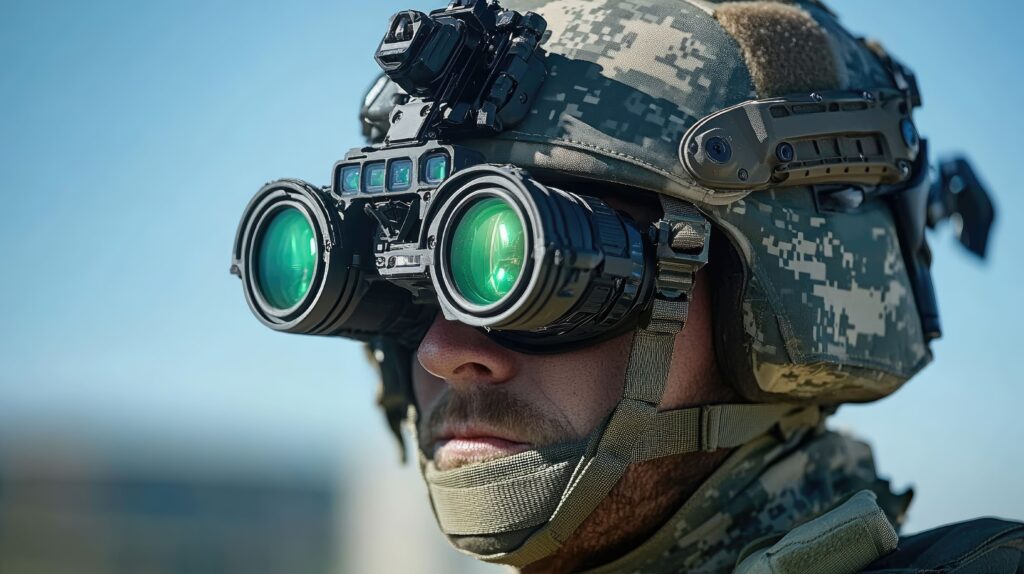
Optronics systems significantly improve situational awareness, hit probability, and target engagement capabilities across all weather conditions. These systems enable defence forces to effectively locate, track, observe, and engage targets in land, airborne, and maritime warfare domains, both during daylight and after dark. The technology provides real-time, high-definition sensor data that enhances night vision, reconnaissance, and targeting accuracy on fast-moving battlefields.
2. Superior Surveillance and Intelligence Capabilities
Modern warfare relies heavily on optronics for target acquisition, surveillance, and precision aiming capabilities. These systems serve as the “eyes in the sky” and on the ground, providing allied forces with critical tactical and strategic advantages in theatre operations. Optronics technology enables efficient warfare systems that require less human input, demand minimal maintenance, and can support autonomous and high-speed weapons for collaborative attacks.
3. Multi-Spectral Detection and Imaging
Infrared cameras and thermal imaging systems represent some of the most relevant applications of optronics in defence, allowing forces to capture images in low visibility conditions or complete darkness. These systems detect infrared radiation emitted by objects, enabling target detection and monitoring even when objects are invisible to the naked eye. This capability is crucial for border security, base protection, reconnaissance, and intelligence gathering missions.
4. Technological Integration and Modernisation
Optronics systems integrate seamlessly with artificial intelligence and advanced data processing capabilities, helping operators interpret and exploit information more efficiently while managing workflows and raising operational tempo. The technology supports multi-domain operations that coordinate land, air, sea, cyber, and space domains, making it essential for maintaining tactical advantages in various conflict zones.
5. Operational Efficiency in Challenging Environments
Defence optronics provide visibility and targeting precision under various environmental conditions where traditional systems fail. These systems are particularly valuable for special operations forces and urban warfare scenarios, where smaller, lightweight, and portable optronics enhance mobility while maintaining advanced surveillance and sighting capabilities. The technology ensures mission success even in the toughest operational conditions, from harsh weather to contested electromagnetic environments.
The Critical Role of Testing Optronic Systems
Optronic systems integrate optical sensors, electronics, and sometimes software algorithms to deliver advanced capabilities such as detection, tracking, imaging, and targeting. These systems are widely deployed in defense, aerospace, and industrial sectors, where precision and reliability are paramount. Comprehensive testing is not just a procedural step; it is a cornerstone of system integrity and mission success.
Ensuring Functional Performance
Optronic systems operate under diverse and challenging conditions: variable lighting, thermal fluctuations, mechanical vibrations, and electromagnetic interference. Testing validates:
Optical performance
- Resolution
- Sensitivity
- Field of view
- Spectral response
Electronic integrity
- Signal processing accuracy
- Power stability
- Noise immunity
Software algorithms
- Image processing
- Target recognition
- Real-time data fusion
Environmental and Operational Robustness
These systems often face harsh environments, extreme temperatures, humidity, shock, and vibration. Environmental qualification tests (thermal cycling, vibration, EMC) ensure the system maintains performance under operational stress. This is critical for platforms such as aircraft, naval vessels, or ground vehicles where failure is unacceptable.
Safety and Mission Reliability
In defense or aerospace applications, an optronic system failure can lead to mission abort or even loss of life. Testing identifies latent defects early, reducing operational risk. Reliability testing, including MTBF (Mean Time Between Failures) analysis, ensures long-term dependability.
Compliance and Certification
International standards (e.g., MIL-STD, DO-160, ISO) govern optronic system design and testing. Compliance is mandatory for certification and deployment. Testing provides documented evidence that the system meets these stringent requirements.
Cost and Lifecycle Optimization
Detecting issues during development is significantly less expensive than post-deployment fixes. Testing minimizes redesign costs, reduces warranty claims, and extends system lifespan through predictive maintenance strategies.
Introducing OLISE Laser: a Portable Test Bench for Optronic & Laser Systems
Spherea’s portable test bench, OLISE Laser, enables comprehensive testing of optronic and laser equipment directly on their carrier platform, eliminating depot-level removal and minimizing downtime.

Applications
- Dismounted soldier optronics
- Portable multi-sensor binoculars, night-vision goggles, laser rangefinders (LRF)
- Gyro-stabilized EO/IR gimbals for UAVs
- On-site field trials and acceptance testing
Key benefits
Reduced downtime
Direct testing on the vehicle, vessel, or UAV ground station—eliminating depot logistics.
Improved mission reliability
Standardized metrics and repeatable procedures for objective evidence of performance.
Faster acceptance and troubleshooting
Intuitive HMI and guided test plans shorten cycles from test to decision.
Multi-domain fleet support
One bench for soldier systems, UAV gimbals, vehicle turrets, and field optics.
Spherea's optronics expertise
Testing optronic systems is a strategic imperative. It guarantees performance, safety, and compliance while enabling innovation and cost efficiency. In an era where missions depend on flawless sensor operation, rigorous testing is the foundation of trust and operational success.
With over 30 years of expertise in optronic testing, Spherea’s teams of engineers and optical specialists continuously analyze market demands to deliver tailored testing solutions for each customer. This know-how is supported by state-of-the-art infrastructure, including multiple clean rooms with controlled atmospheres and a dedicated optics laboratory, purpose-built to meet the highest standards of optical technology.
Discover our full range of field-test solutions here.